Reiki Energy Healing Basics: Understanding Reiki Energy Healing
- Sharon Lewis

- Apr 27
- 4 min read
When life feels overwhelming, and your mind and body seem out of sync, I have found Reiki energy healing to be a gentle and effective way to restore balance. Reiki is a calming practice that helps us reconnect with our inner peace and promotes healing on many levels. If you have ever wondered about this soothing therapy, I invite you to explore it with me here.
Reiki Energy Healing Basics
Reiki is a form of energy healing that originated in Japan. It works by channeling universal life energy through the hands of a practitioner to the recipient. This energy supports the body’s natural ability to heal itself. The process is simple, non-invasive, and deeply relaxing.
During a session, you might feel warmth, tingling, or a sense of calm spreading through your body. Reiki is not about fixing something broken but about encouraging your body and mind to find their own balance. It is a gentle nudge toward wellness.
Many people use Reiki to reduce stress, ease pain, and improve emotional well-being. It can be a wonderful complement to other treatments or a standalone practice for self-care. Whether you are new to energy healing or have some experience, Reiki offers a welcoming space to nurture yourself.

What is Reiki and How Does It Work?
Reiki is based on the idea that life energy flows through us and keeps us alive. When this energy is low or blocked, we may feel tired, stressed, or unwell. Reiki practitioners use their hands to help clear these blockages and restore the flow of energy.
The word "Reiki" comes from two Japanese words: "Rei," meaning universal, and "Ki," meaning life energy. This universal energy is believed to be all around us and within us. By connecting with this energy, Reiki helps to balance the physical, emotional, and spiritual aspects of a person.
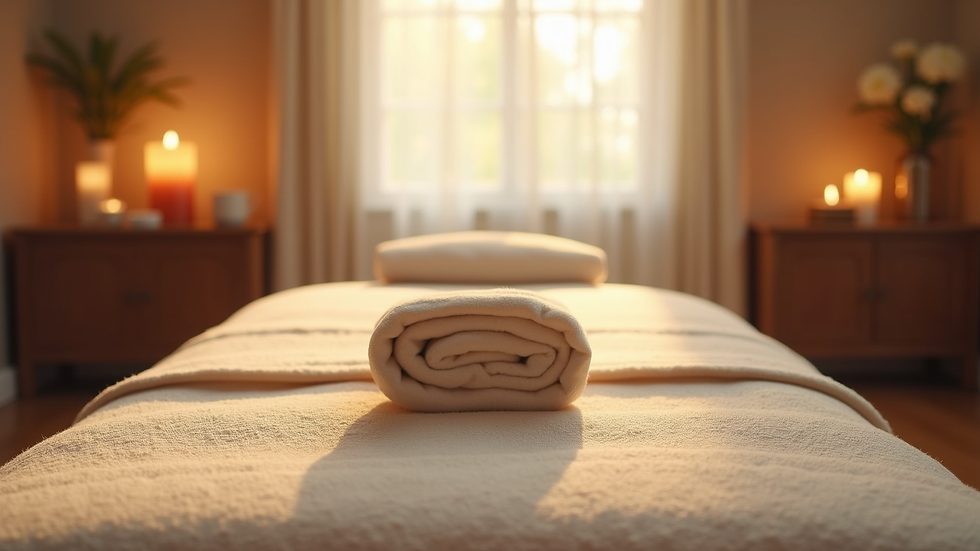
A typical Reiki session involves the practitioner placing their hands lightly on or just above different parts of your body. The energy flows where it is needed most. You remain fully clothed and comfortable throughout the session. Many people find the experience deeply peaceful and often fall into a restful state.
Reiki is gentle and safe for everyone, including children, the elderly, and those with chronic conditions. It is not tied to any religion or belief system, making it accessible to all who seek healing.
Exploring the Benefits of Reiki Energy Healing
The benefits of Reiki are wide-ranging and can touch many areas of your life. Here are some of the most common ways Reiki can support you:
Stress Reduction and Relaxation: Reiki helps calm the nervous system, reducing anxiety and promoting deep relaxation.
Pain Relief: Many people report relief from chronic pain, headaches, and muscle tension after Reiki sessions.
Emotional Healing: Reiki can help release emotional blockages, bringing clarity and peace to your mind.
Improved Sleep: By calming the mind and body, Reiki often leads to better, more restful sleep.
Enhanced Well-being: Regular Reiki sessions can boost your overall sense of health and vitality.
For example, I have seen clients who struggled with insomnia find restful nights after just a few sessions. Others dealing with emotional stress have felt lighter and more hopeful. Reiki supports your body’s natural healing process, making it a gentle companion on your wellness journey.

How to Prepare for a Reiki Session
Preparing for a Reiki session is simple and helps you get the most from your experience. Here are some tips I recommend:
Wear Comfortable Clothing: Loose, comfortable clothes help you relax fully during the session.
Arrive with an Open Mind: Reiki works best when you are open to receiving energy and healing.
Avoid Heavy Meals: Try not to eat a large meal right before your session to stay comfortable.
Set an Intention: Think about what you hope to gain from the session, whether it’s relaxation, healing, or clarity.
Stay Hydrated: Drinking water before and after your session supports the healing process.
During the session, you can lie down or sit comfortably. The practitioner will guide you gently, and you are encouraged to relax and breathe deeply. Afterward, you might feel calm, refreshed, or even energized.
Learning Reiki: Becoming a Practitioner
If you feel drawn to Reiki, you might consider learning how to practice it yourself. Becoming a Reiki practitioner is a rewarding path that allows you to help others and deepen your own healing.
Training usually involves several levels, starting with Reiki I, where you learn the basics of energy healing and how to channel Reiki for yourself and others. Reiki II introduces symbols and techniques for distance healing, while Reiki Master level prepares you to teach and attune others.
Here are some steps to get started:
Find a Certified Teacher: Look for experienced Reiki masters who offer authentic training.
Attend Workshops or Classes: Hands-on learning is essential to understand Reiki fully.
Practice Regularly: Like any skill, Reiki improves with practice and dedication.
Join a Community: Connecting with other Reiki practitioners can provide support and inspiration.
Learning Reiki can be a beautiful way to empower yourself and others. It opens a door to a deeper connection with life energy and personal growth.
Embracing Reiki in Daily Life
Reiki is not just something you experience during a session. It can become a part of your daily routine and mindset. Here are some simple ways to bring Reiki energy healing into your everyday life:
Self-Reiki: Spend a few minutes each day placing your hands on yourself and sending healing energy where you feel it is needed.
Mindful Breathing: Combine Reiki with deep, mindful breaths to enhance relaxation.
Positive Intentions: Use Reiki energy to support your goals and intentions.
Energy Awareness: Pay attention to how your energy feels and take moments to recharge with Reiki.
Gratitude Practice: Reiki can deepen your sense of gratitude and connection to life.
By weaving Reiki into your daily habits, you create a steady flow of healing energy that supports your well-being continuously.
I hope this gentle introduction to Reiki energy healing has brought you a sense of calm and curiosity. If you want to learn more about what is reiki energy healing, I encourage you to explore further and consider experiencing a session for yourself. Reiki Calms Minds is here to help you find that peaceful balance and guide you on your healing journey.


Comments